NMN and NAD+: Keeping Your Cells Energised as You Age
Think back to your twenties. Late nights, early mornings, and you still bounced back by lunchtime. Somewhere along the way, recovery started taking a little longer and energy became something to manage. There are many reasons for that shift, from sleep to stress to simply being busier. But researchers are paying close attention to one in particular: a molecule inside every cell called NAD+. And that is where NMN comes in.
What Is NMN?
NMN (nicotinamide mononucleotide) is a naturally occurring compound made from vitamin B3. It is found in small amounts in foods such as broccoli, cabbage, avocado and edamame. Once absorbed, the body uses NMN to make NAD+ (nicotinamide adenine dinucleotide).
NAD+ is a coenzyme your cells cannot do without. It helps the mitochondria, the “power stations” of your cells, turn food into usable energy. It is also the fuel for sirtuins, a family of proteins involved in DNA repair and everyday cellular maintenance [1].
Why NAD+ Matters as We Age
The catch is that NAD+ levels fall as we get older. One study of human skin samples found a strong link between rising age and declining NAD+ in both men and women [2]. Less NAD+ means less fuel for energy production and cellular repair. This is why scientists are exploring whether topping up its building blocks, such as NMN, can help.
What Does the Research Show?
Human research on NMN is still young, but it is growing quickly. Here is where the more interesting findings sit today.
- Raising NAD+ levels. In a 60-day trial of 80 healthy adults aged 40 to 65, daily NMN at 300, 600 or 900mg raised blood NAD+ in every group. The 600mg and 900mg groups also walked further in a six-minute walking test, and NMN was well tolerated [3].
- Energy and exercise. A six-week study of 48 amateur runners combined training with 300, 600 or 1,200mg of NMN a day. The medium- and high-dose groups showed greater improvements in aerobic capacity than those on placebo [4].
- Metabolic health. In a 10-week study of 25 postmenopausal women with prediabetes, 250mg of NMN daily improved how well their muscles responded to insulin [5].
- Heart and blood vessels. A 12-week trial in 36 healthy middle-aged adults found a trend towards reduced arterial stiffness with NMN [6].
Taken together, the picture is highly encouraging.
How Do I Choose an NMN Supplement?
If you are considering NMN, three things are worth looking at.
- Dosage. Human studies have used between 250mg and 1,200mg a day, with the performance benefits above seen from around 500mg upwards.
- Purity. NMN should be the main active ingredient, with as few fillers as possible.
- Quality. Only buy from a supplier that manufactures under recognised quality systems and follows South African regulations.
Genologix NMN
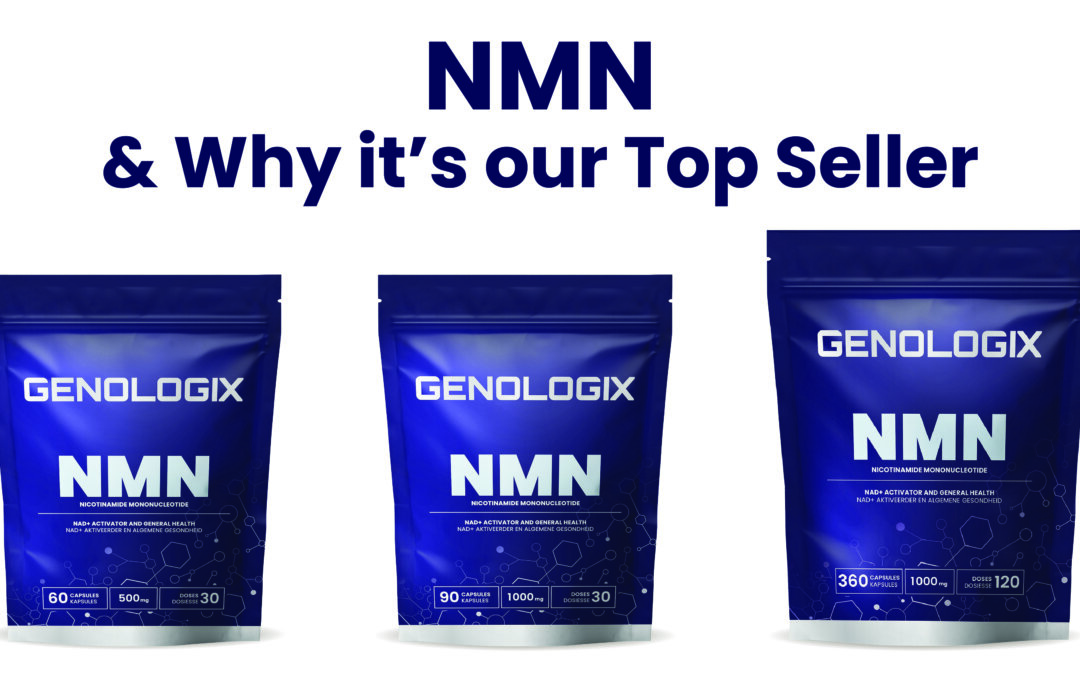
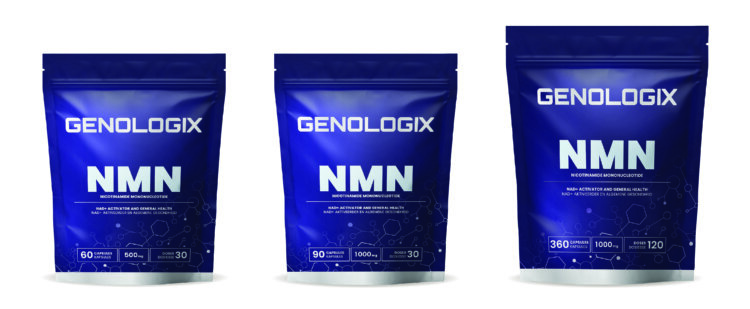
Genologix NMN is available in two strengths, so you can choose what suits your routine. NMN 500mg is a gentle starting point for those new to NMN. NMN 1000mg sits within the higher range used in exercise and performance research.
Both are high-purity, vegan and Halal, and are made locally in a SAHPRA-licensed and ISO9001 and ISO22000 certified facility.
Our customers love our NMN, have you tried it yet?
Naturally Supporting Your NAD+ Every Day
Supplements work best alongside good habits. These everyday choices also support your body’s own energy systems:
- Move regularly. Exercise encourages your cells to build and maintain healthy mitochondria.
- Keep a steady sleep routine. NAD+ production follows your body clock, so consistent sleep and wake times help.
- Eat a varied, whole-food diet. Include vitamin B3 sources such as chicken, fish, legumes and whole grains.
- Go easy on alcohol. Breaking down alcohol uses up NAD+.
The Bottom Line
Ageing is natural, but how we support our bodies along the way is up to us. NMN helps replenish NAD+, a molecule that naturally declines with age. Early human research points to benefits for energy, physical performance and metabolic health. Paired with movement, rest and a balanced diet, it is a smart addition to your healthy-ageing routine.
Disclaimer
These statements have not been evaluated by SAHPRA. This article is for general information only and is not medical advice. Supplements are not intended to diagnose, treat, cure or prevent any disease. Consult a healthcare professional before starting any new supplement, especially if you are pregnant, breastfeeding, taking medication or managing a medical condition.
References
- Rajman L, Chwalek K, Sinclair DA. Therapeutic potential of NAD-boosting molecules: the in vivo evidence. Cell Metabolism. 2018;27(3):529–547.
- Massudi H, Grant R, Braidy N, et al. Age-associated changes in oxidative stress and NAD+ metabolism in human tissue. PLoS ONE. 2012;7(7):e42357.
- Yi L, Maier AB, Tao R, et al. The efficacy and safety of β-nicotinamide mononucleotide (NMN) supplementation in healthy middle-aged adults. GeroScience. 2023;45:29–43.
- Liao B, Zhao Y, Wang D, et al. Nicotinamide mononucleotide supplementation enhances aerobic capacity in amateur runners. Journal of the International Society of Sports Nutrition. 2021;18:54.
- Yoshino M, Yoshino J, Kayser BD, et al. Nicotinamide mononucleotide increases muscle insulin sensitivity in prediabetic women. Science. 2021;372(6547):1224–1229.
- Katayoshi T, Uehata S, Nakashima N, et al. Nicotinamide adenine dinucleotide metabolism and arterial stiffness after long-term nicotinamide mononucleotide supplementation. Scientific Reports. 2023;13:2786.