
(4 min read)
What do Antioxidants Do and Why Do They Matter for Everyday Health?
You’ve probably seen an apple turn brown after it’s been sliced and left out for a while. That browning is caused by oxidation. A similar process happens inside your body every day. That might sound alarming, but it’s completely normal. Your body creates energy, processes the food you eat, and responds to daily environmental stressors — and all of this can naturally produce unstable molecules called free radicals. [1] This is where antioxidants become important.What Are Antioxidants?
Antioxidants are compounds that help protect the body from the effects of free radicals. Free radicals are unstable molecules produced naturally during:- normal metabolic function
- exercise
- sun exposure
- pollution
- stressful events
Best Antioxidant Nutrients for Cellular Health and Wellness Support
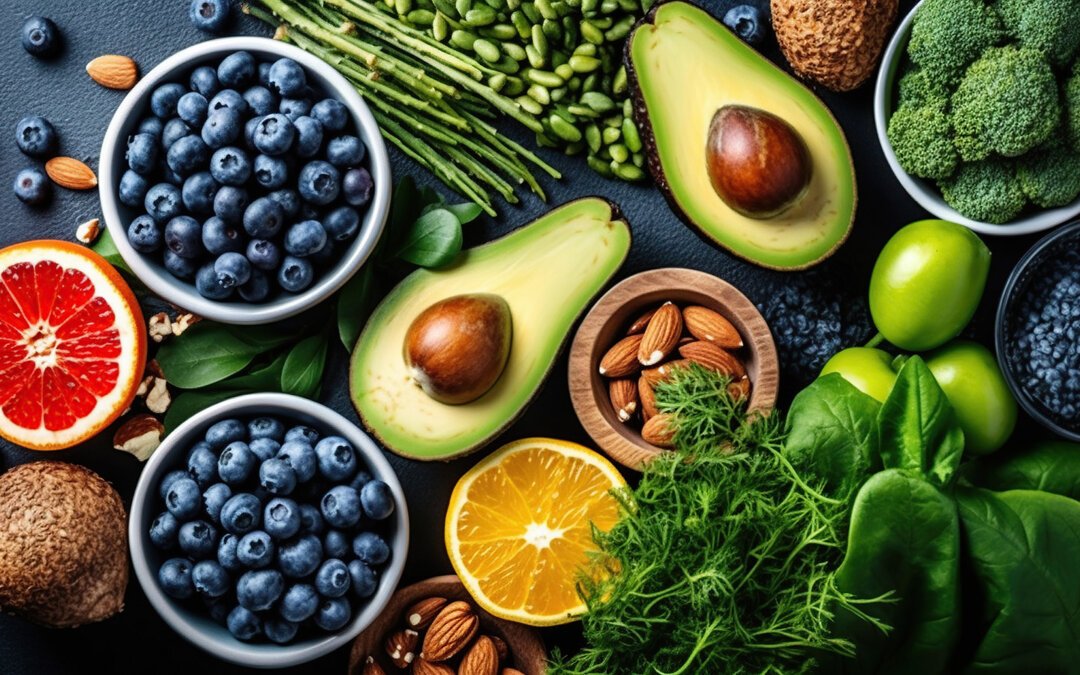
Modern life creates plenty of everyday stressors. From busy schedules and processed foods to sun exposure, exercise, pollution, and lack of sleep, your body is constantly working to maintain balance. Antioxidants help support that process. The best foundation for antioxidant support is always your diet. Berries, leafy greens, nuts, seeds, green tea, and any other whole foods rich in natural plant compounds are excellent sources of antioxidants in the diet. Antioxidant supplements can be a useful addition when your diet or lifestyle may need extra support. Here are some options: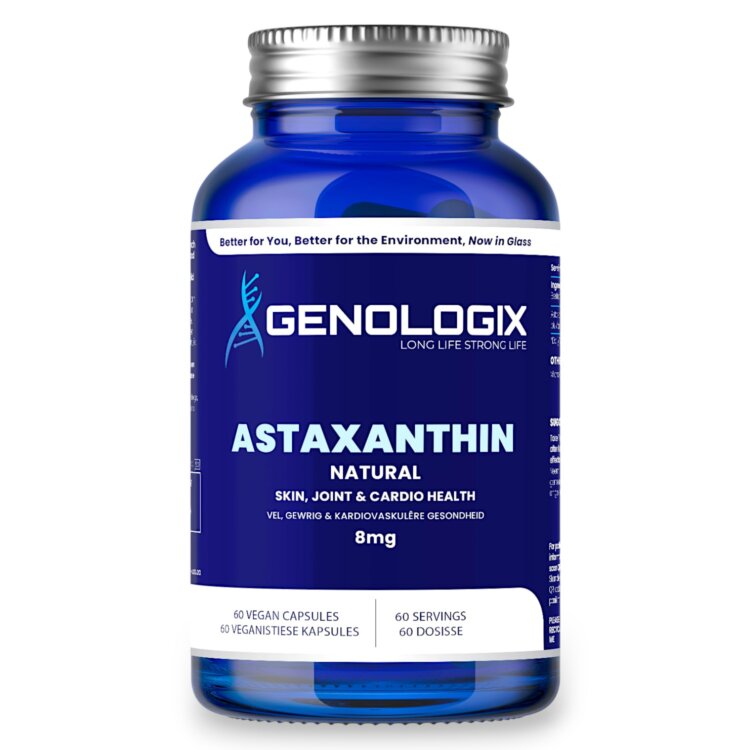
Astaxanthin
Astaxanthin is a naturally occurring carotenoid studied for its antioxidant properties in human and laboratory research. Clinical and experimental studies have explored itstheir potential to support normal cellular antioxidant defenses and maintain overall cellular health. [3]
It is often used in wellness routines to help support cellular health, skin wellness, and overall antioxidant defence.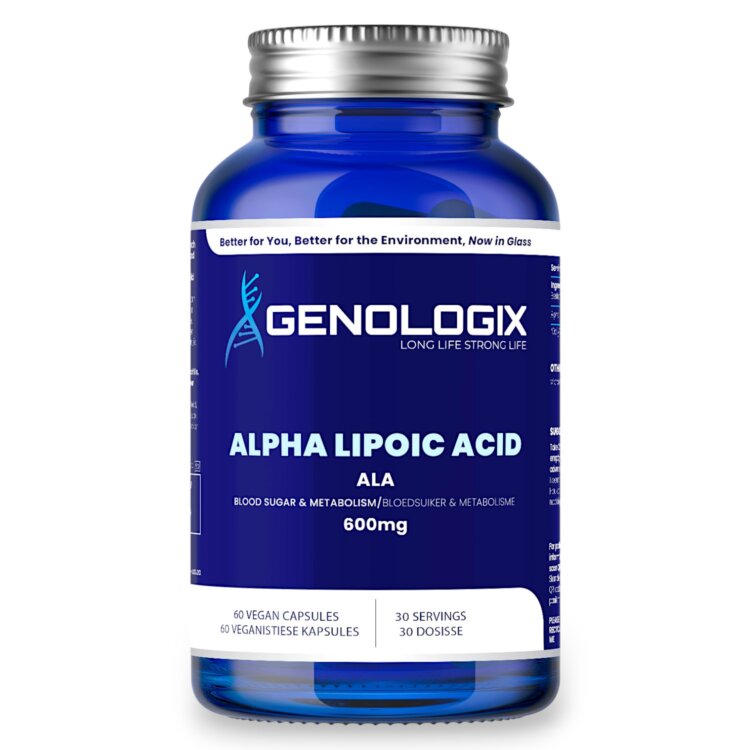
Alpha Lipoic Acid
Alpha Lipoic Acid is a versatile antioxidant that works in both water- and fat-based environments in the body. It also plays a role in energy metabolism and research has explored its potential to support normal antioxidant defenses and cellular health. [4]
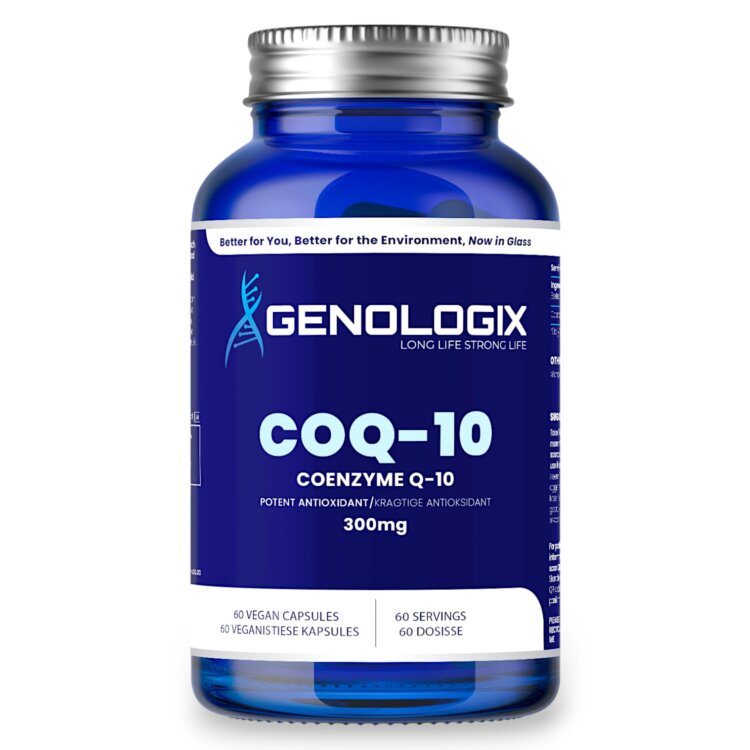
Coenzyme Q10 (CoQ10)
CoQ10 is naturally produced by the body and is essential for cellular energy production. Clinical studies on supplementation have investigated its role in supporting cellular bioenergetics and maintaining antioxidant activity within cell membranes. [5]
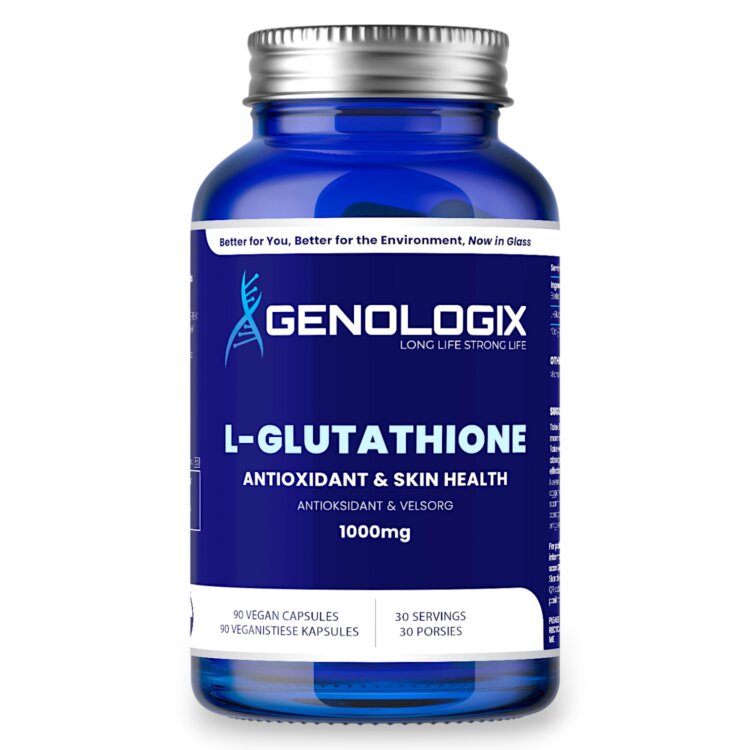
Glutathione
Often referred to as the body’s master antioxidant, glutathione plays an important role in antioxidant defence and normal detoxification pathways. It is one of the most talked-about nutrients when people search for antioxidants for cellular protection, and its physiological functions have been extensively described in biochemical and clinical literature. [6]
Final Thoughts: Why Antioxidants Matter
Antioxidants help support your body’s natural ability to manage the effects of everyday oxidation and maintain healthy cellular balance. Remember, oxidation and free radicals are normal. What matters the most is balance, and antioxidants are part of that bigger wellness picture. If you’re looking to support your body from the inside out, antioxidants can be an important part of a smart, balanced daily routine.Disclaimer
These statements have not been evaluated by SAHPRA. This blog is for informational purposes only and does not constitute medical advice. Supplements are not intended to diagnose, treat, cure, or prevent any disease. Always consult a healthcare professional before starting any new supplement. Use as part of a balanced diet and healthy lifestyle.
The Genologix TeamReferences
- Halliwell, B. & Gutteridge, J.M.C., 2015. Free Radicals in Biology and Medicine. 5th ed. Oxford: Oxford University Press. Available at: https://academic.oup.com/book/40045
- Sies, H. (2017). Oxidative stress: A concept in redox biology and medicine. Redox Biology, 11, 1–2. Available at: https://pubmed.ncbi.nlm.nih.gov/25588755/
- Park, J.S., Chyun, J.H., Kim, Y.K., Line, L.L. & Chew, B.P., 2010. Astaxanthin, a carotenoid with potential in human health and nutrition. Nutrition & Metabolism, 7(1), p.18. Available at: https://nutritionandmetabolism.biomedcentral.com/articles/10.1186/1743-7075-7-18
- Shay, K.P., Moreau, R.F., Smith, E.J., Smith, A.R. & Hagen, T.M., 2009. Alpha-lipoic acid as a dietary supplement: Molecular mechanisms and therapeutic potential. Biochimica et Biophysica Acta, 1790(10), pp.1149–1160. Available at: https://pubmed.ncbi.nlm.nih.gov/19664690/
- Littarru, G.P. & Tiano, L., 2007. Clinical aspects of coenzyme Q10. Molecular Biotechnology, 37(1), pp.31–37. Available at: https://pubmed.ncbi.nlm.nih.gov/19932599/
- Wu, G., Fang, Y.Z., Yang, S., Lupton, J.R. & Turner, N.D., 2004. Glutathione metabolism and its implications. Journal of Nutrition, 134(3), pp.489–492. Available at: https://pubmed.ncbi.nlm.nih.gov/14988435/