

(4–5 min read)
How Can I Keep My Brain Sharp This Year?
As the year gains momentum, routines settle, and mental demands increase. If you’re feeling mentally sluggish after the holidays, focusing on simple, supportive habits can help maintain clarity, attention, and composure during busy periods.
Supporting cognitive function can help you stay productive, manage stress, and maintain a sense of mental balance day to day.
Why Cognitive Health Matters
The brain plays a central role in thinking, memory, mood, stress response, and motivation. Everyday tasks such as learning, decision-making, and focus rely on healthy nerve signalling and normal neurotransmitter activity. Your mental well-being can also affect energy, focus, and emotional balance[i]. During demanding periods, these processes may feel strained.
Consistent lifestyle habits and proper nutrition can support normal cognitive and psychological function. Nutritional supplementation may also form part of a balanced approach.

Lifestyle Habits That Support Brain Health
Prioritize Quality Sleep
Sleeping 7–9 hours per night can support normal memory consolidation, attention, and emotional balance[ii].
Stay Physically Active
Regular physical activity promotes blood flow to the brain and supports normal neurotransmitter activity, mood, and motivation[iii].
Eat a Balanced Diet
A varied diet rich in fruits, vegetables, whole grains, lean protein, and healthy fats provides nutrients that may contribute to normal brain and psychological function, including choline, magnesium, and omega-3 fatty acids[iv].
Manage Stress
Ongoing stress may affect concentration and emotional regulation. Mindfulness practices, deep breathing, and regular breaks may help support calmness and focus[v].
Keep Your Mind Engaged
Learning, problem-solving, creative activities, and social interaction may help maintain neural connections and cognitive resilience[vi].
Nutritional Supplements for Cognitive Support
Certain nutrients may support brain health when used responsibly as part of a healthy lifestyle.

Genologix Choline (CPD-Choline)
Choline is involved in the production of acetylcholine, a neurotransmitter that supports normal memory, attention, and learning[vii].
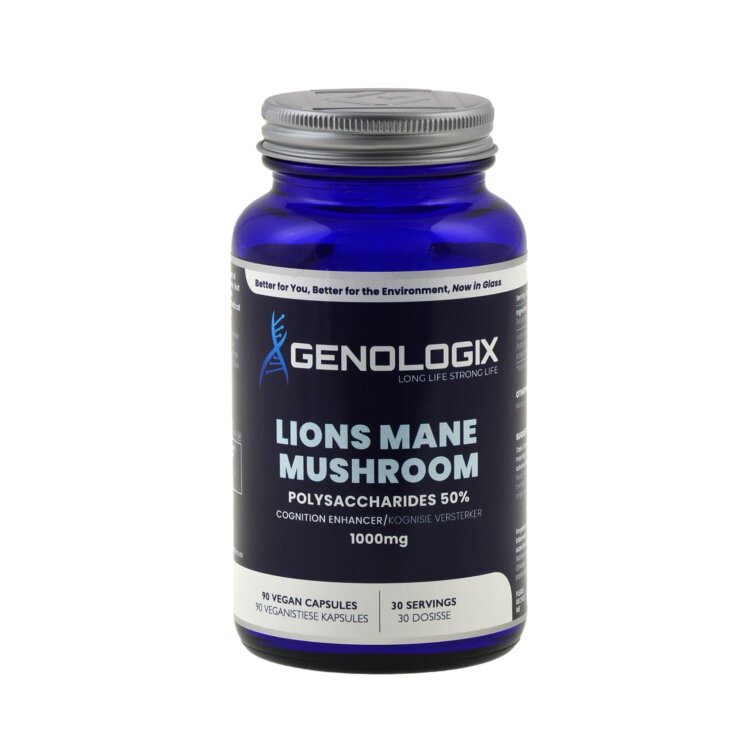
Genologix Lion’s Mane Mushroom
Lion’s Mane has been studied for its potential to support normal nerve function and cognitive health[viii].
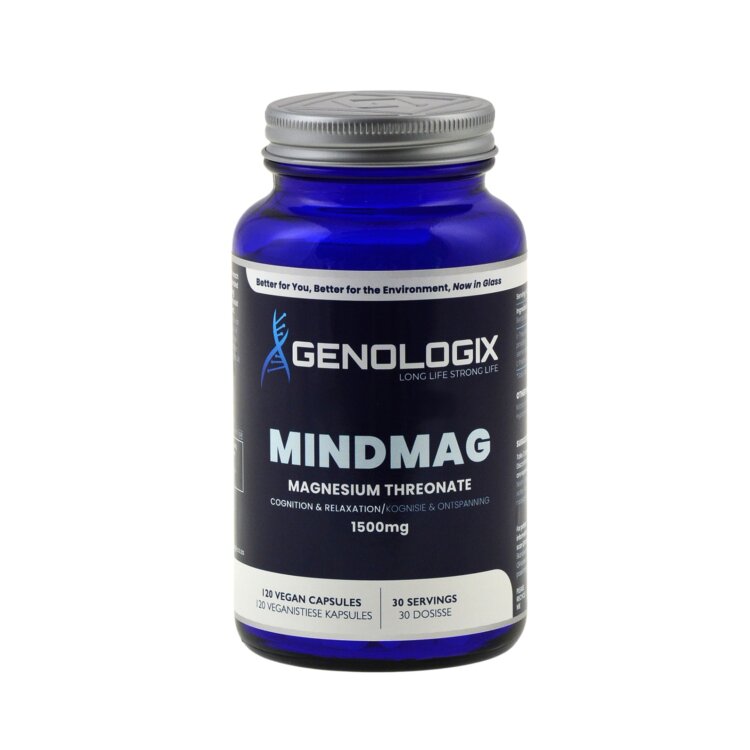
Genologix MindMAG
Magnesium contributes to normal nervous system and psychological function and may support mental clarity and stress balance[ix].
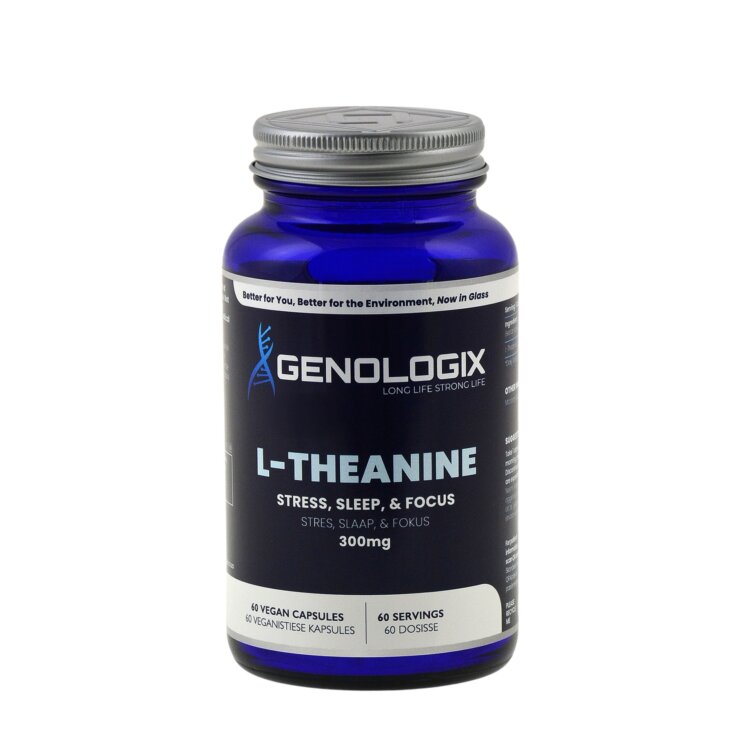
Genologix L-Theanine
L-Theanine is a naturally occurring amino acid found in tea. It may support relaxation while maintaining normal attention and focus[x].
Final Thoughts
Keeping your brain sharp is best supported through consistent sleep, movement, balanced nutrition, stress management, and mental engagement. Nutritional supplements may complement these habits as part of an overall well-being strategy.
Kimica Maniraj (B.Pharm)
The Genologix Team

Disclaimer
These statements have not been evaluated by SAHPRA. This blog is for informational purposes only and does not constitute medical advice. Supplements are not intended to diagnose, treat, cure, or prevent any disease. Always consult a healthcare professional before starting any new supplement. The products recommended herein are not intended to diagnose, treat, cure, or prevent any disease. Use as part of a balanced diet and healthy lifestyle.
References
[1] National Institute of Neurological Disorders and Stroke, 2024. Brain Basics. NINDS. Available at: https://www.ninds.nih.gov/health-information/public-education/brain-basics
Harvard Health Publishing, 2023. Foods linked to better brainpower. Harvard Health. Available at: https://www.health.harvard.edu/healthbeat/foods-linked-to-better-brainpower
[1] National Sleep Foundation, 2023. How much sleep do we really need? NSF. Available at: https://www.thensf.org/how-many-hours-of-sleep-do-you-really-need/
[1] Erickson, K.I. et al., 2011. Exercise training increases size of hippocampus and improves memory. Proceedings of the National Academy of Sciences, 108(7), pp.3017–3022. Available at: https://pubmed.ncbi.nlm.nih.gov/21282661/
[1] Gomez-Pinilla, F., 2008. Brain foods: the effects of nutrients on brain function. Nature Reviews Neuroscience, 9, pp.568–578. Available at: https://pmc.ncbi.nlm.nih.gov/articles/PMC2805706/
National Institutes of Health Office of Dietary Supplements, 2023c. Omega-3 Fatty Acids. Available at: https://ods.od.nih.gov/factsheets/Omega3FattyAcids-HealthProfessional/
[1] Goyal, M. et al., 2014. Meditation programs for psychological stress and well-being. JAMA Internal Medicine, 174(3), pp.357–368. Available at: https://jamanetwork.com/journals/jamainternalmedicine/fullarticle/1809754
[1]Park, D.C. et al., 2007. The impact of sustained engagement on cognitive function in older adults. Psychology and Aging, 22(4), pp.707–718. Available at: https://pmc.ncbi.nlm.nih.gov/articles/PMC4154531/
[1] National Institutes of Health Office of Dietary Supplements, 2023a. Choline. Available at: https://ods.od.nih.gov/factsheets/Choline-HealthProfessional/
[1] PubMed, 2013. Lion’s Mane Mushroom and cognitive function. Available at: https://pmc.ncbi.nlm.nih.gov/articles/PMC12030463/
[1] National Institutes of Health Office of Dietary Supplements, 2023b. Magnesium. Available at: https://ods.od.nih.gov/factsheets/Magnesium-HealthProfessional/
[1] PubMed, 2008. L-Theanine and relaxation. Available at: https://pubmed.ncbi.nlm.nih.gov/18296328/